A little more colour.
A lot more nourishment.
Your practical guide to all 13 vitamins: what they do, where to find them and when extra support may help.
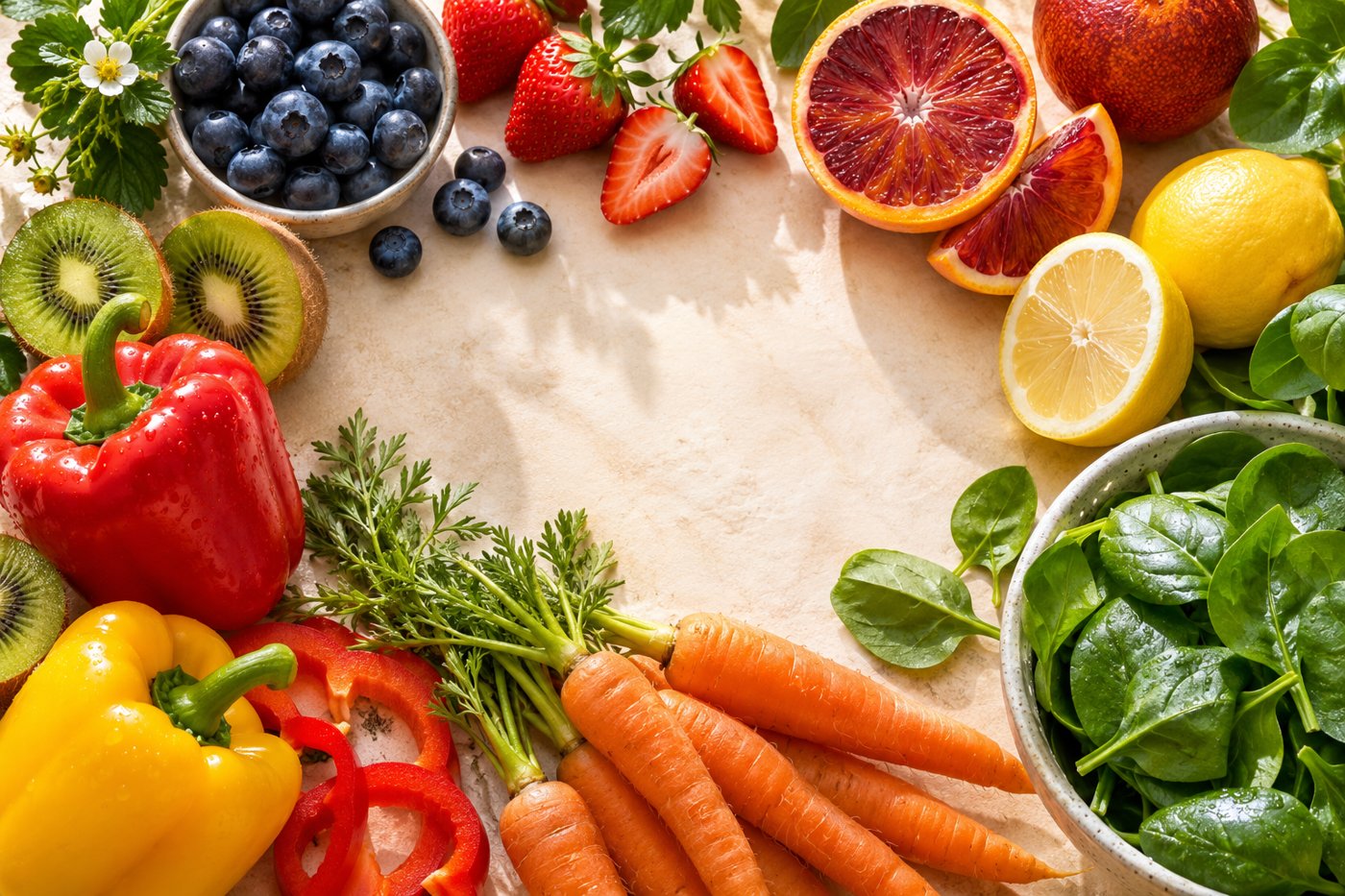
A bowl of soup. A handful of berries. Eggs on toast. Small, everyday choices can give your body a remarkable range of nutrients.
But with so much talk of supplements, vitamin injections and IV drips, it can be difficult to know what you actually need. Let’s make it clearer — starting with the food on your plate.
Vitamins help your body carry out essential jobs. They don’t supply calories themselves, and taking more than you need doesn’t automatically create more energy or a stronger immune system. The aim is to meet your needs and address any genuine gaps.
Vitamins A, D, E and K are fat-soluble and can be stored in the body. B vitamins and vitamin C are water-soluble. Neither group is harmless in unlimited amounts: dose, medicines and your individual health all matter.
Your vitamin guide, A to K
Use this as a friendly starting point. The linked NHS and US National Institutes of Health (NIH) guidance offers more detail.
See the colour
Supports normal vision, skin and immune function.
Find it in: Eggs, dairy and oily fish provide preformed vitamin A; carrots, sweet potatoes and spinach provide beta-carotene, which your body can convert.
Try this: Roast carrots with a little olive oil and serve with eggs or beans.
Supplement sense: Most people can meet their needs through food. Avoid supplements containing vitamin A (retinol) during pregnancy; liver is also unsuitable in pregnancy.
Read the NHS / NIH guidance ↗Thiamin
Helps release energy from food and supports normal nerve function.
Find it in: Wholegrains, pork, beans, peas, nuts and fortified cereals.
Try this: Try porridge with nuts, or add beans to a hearty soup.
Supplement sense: A varied diet usually supplies enough. Deficiency needs proper assessment, particularly with significant malnutrition or alcohol dependence.
Read the NHS / NIH guidance ↗Riboflavin
Helps your cells use energy and supports normal growth and function.
Find it in: Milk, yoghurt, eggs, mushrooms and fortified foods.
Try this: Top wholegrain toast with eggs and mushrooms.
Supplement sense: If you avoid dairy, check plant-drink labels: fortification varies. An energy claim does not mean extra B2 gives an extra lift when you already have enough.
Read the NHS / NIH guidance ↗Niacin
Helps convert food into energy and supports the normal functioning of cells.
Find it in: Poultry, fish, meat, peanuts and wholegrains.
Try this: Add chickpeas and a handful of peanuts to a grain bowl.
Supplement sense: High-dose niacin can cause flushing and other harm. Therapeutic doses belong under medical supervision.
Read the NHS / NIH guidance ↗Pantothenic acid
Helps turn food into energy and is involved in making and breaking down fats.
Find it in: Chicken, eggs, mushrooms, avocado and wholegrains; it is widely distributed in foods.
Try this: Try an avocado-and-egg lunch with wholegrain toast.
Supplement sense: Deficiency is very rare. Most people do not need a separate B5 supplement.
Read the NHS / NIH guidance ↗A busy little vitamin
Involved in protein metabolism, brain development and normal immune function.
Find it in: Fish, poultry, chickpeas, potatoes and bananas.
Try this: Make a chickpea and vegetable traybake, or have a banana with yoghurt.
Supplement sense: More is not always better: excessive supplemental B6 can damage nerves. NHS advice is not to take more than 10 mg a day in supplements unless advised by a doctor.
Read the NHS / NIH guidance ↗Biotin
Helps your body use carbohydrates, fats and protein.
Find it in: Cooked eggs, fish, meat, nuts, seeds and sweet potatoes.
Try this: Pair a baked sweet potato with beans and a sprinkle of seeds.
Supplement sense: Deficiency is rare. Evidence for hair-and-nail supplements in people without deficiency is limited. Tell your clinician about biotin supplements because they can interfere with some blood tests.
Read the NHS / NIH guidance ↗Folate
Needed for DNA production and cell division, making it especially important in early pregnancy.
Find it in: Leafy greens, beans, lentils, broccoli and fortified cereals.
Try this: Stir spinach into lentil soup just before serving.
Supplement sense: UK advice is 400 micrograms of folic acid daily before pregnancy and until 12 weeks pregnant. Some people need a prescribed higher dose; ask your clinician.
Read the NHS / NIH guidance ↗Blood, nerves and more
Supports normal red blood cell formation, nerve function and DNA production.
Find it in: Fish, meat, eggs, dairy and foods fortified with B12. Unfortified plant foods are not a reliable source.
Try this: If you eat a vegan diet, plan a reliable source through fortified foods or an appropriate supplement.
Supplement sense: Deficiency may need oral replacement or injections, depending on the cause. Persistent fatigue, pins and needles or balance changes deserve medical assessment, rather than assuming you need a “boost”.
Read the NHS / NIH guidance ↗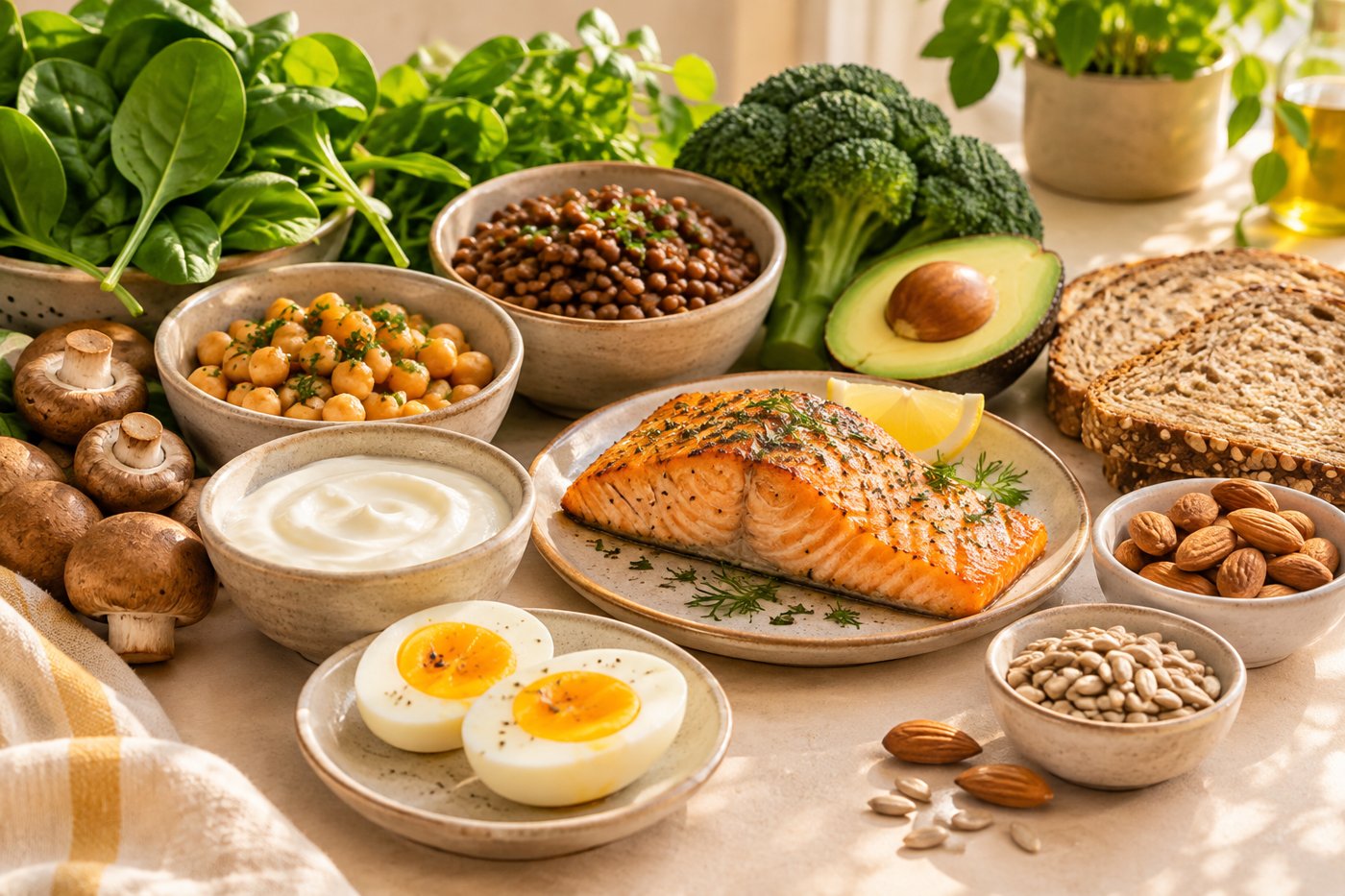
Fresh, bright and useful
Supports normal immune function, helps make collagen and improves absorption of iron from plant foods.
Find it in: Peppers, kiwi, citrus fruit, strawberries, broccoli and potatoes.
Try this: Add peppers or a squeeze of lemon to a bean salad.
Supplement sense: Most people can get enough through food. Routine supplements do not prevent colds for most people; starting vitamin C after symptoms begin has not shown a clear benefit.
Read the NHS / NIH guidance ↗The seasonal one
Helps regulate calcium and phosphate, supporting healthy bones, teeth and muscles. It also has roles in immune function.
Find it in: Oily fish, egg yolks and fortified foods. Sunlight on skin is another source, but is limited in the UK autumn and winter.
Try this: Include oily fish if you eat it, and check fortified-food labels.
Supplement sense: UK adults should consider 10 micrograms (400 IU) daily in autumn and winter. Some people need it all year. Treatment for confirmed deficiency may differ: follow clinical advice.
Read the NHS / NIH guidance ↗Protection for your cells
Helps protect cells from oxidative damage and supports normal immune function.
Find it in: Vegetable oils, nuts, seeds and wheatgerm.
Try this: Sprinkle sunflower seeds over soup, or add a small handful of almonds to breakfast.
Supplement sense: A balanced diet usually provides enough. High-dose supplements are not a shortcut to better health and may interact with medicines.
Read the NHS / NIH guidance ↗The clotting connection
Needed for normal blood clotting and contributes to bone health.
Find it in: Green leafy vegetables such as broccoli and spinach, vegetable oils and some cereal grains.
Try this: Add a side of broccoli or stir chopped greens into a stew.
Supplement sense: Most people can meet their needs through diet. If you take warfarin, discuss supplements and significant dietary changes with your anticoagulation team.
Read the NHS / NIH guidance ↗Food, a supplement, an injection or an infusion?
The right route depends on what is missing, why it is missing and your medical history. Faster delivery is a property of a treatment; it does not, by itself, prove a better health outcome.
| Route | What to know |
|---|---|
| Food | The everyday foundation. It brings vitamins alongside fibre, protein, fats and other nutrients. A varied diet meets many people’s needs. |
| Oral supplements | Useful for a recognised need — for example seasonal vitamin D, pregnancy folic acid or reliable B12 intake on a vegan diet. They can also treat some deficiencies when prescribed appropriately. |
| Intramuscular injection | A vitamin is injected into muscle and absorbed from there. B12 injections have an established role in certain deficiencies and absorption problems; the schedule should follow clinical assessment. |
| IV infusion | Delivers substances directly into the bloodstream, bypassing the gut. IV treatment has medical uses, but this does not establish that a wellness vitamin drip prevents colds or speeds recovery in an otherwise well-nourished person. |
NICE recommends lifelong intramuscular B12 for some causes of malabsorption, including autoimmune gastritis and certain operations. Other situations may be managed with oral or injected B12 according to the cause and clinical judgement. Read the NICE recommendations.
Injections and infusions need appropriate assessment and administration. Possible harms include bruising, infection and allergic reactions; IV treatment can also cause fluid or electrolyte problems. Tell your clinician about medicines, supplements and relevant health conditions before treatment.
Feeling run down, recovering from illness, or worried about a cold?
It’s understandable to want to feel better quickly. Start with enough food, fluids, rest and a gradual return to your usual routine. A nourishing meal can be a welcome part of recovery, even when your appetite is low.
Correcting a deficiency can make a real difference when one is present. However, there is no established basis for promising that vitamin injections or wellness infusions will “boost” an adequately nourished person’s immunity, stop an approaching cold or shorten recovery. Vitamin C supports normal immunity, but that is different from preventing infection.
If tiredness persists, keeps returning or comes with other symptoms, speak to a healthcare professional. A discovery call can explain my services and your options; it does not replace a medical assessment or diagnosis.
Evidence context: NIH: vitamin C and colds · ASA: evidence required for IV wellness claims · NHS: B12 deficiency treatment
Next, let’s put it into a bowl
This is where Nourish comes in: practical food and drink ideas that turn the theory into something you’ll actually enjoy. Expect colourful smoothies, herbal drinks and lattes, alongside comforting soups and broths.
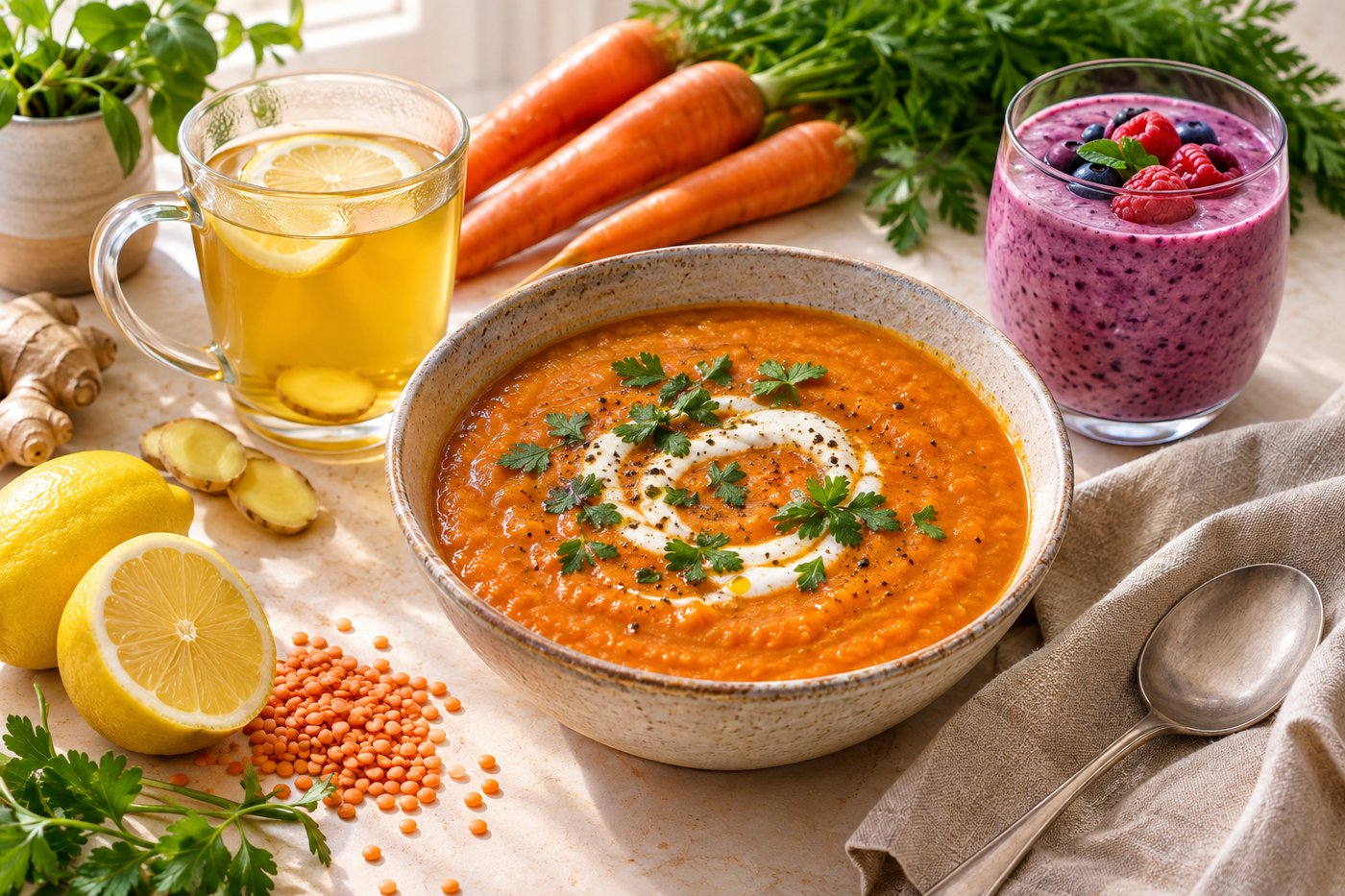
Golden carrot & red lentil soup
A warm, simple bowl for an autumn afternoon. Carrots bring beta-carotene; lentils add folate, fibre and protein.
Serves 4 · around 35 minutes
You’ll need
1 tbsp olive oil · 1 onion, chopped · 2 garlic cloves, crushed · 600 g carrots, sliced · 150 g dried red lentils, rinsed · 1 tsp ground cumin · 1 litre low-salt vegetable stock · juice of ½ lemon · black pepper.
Make it
- Warm the oil in a large saucepan. Soften the onion for 5 minutes, then stir in the garlic and cumin for 1 minute.
- Add the carrots, lentils and stock. Bring to a boil, then simmer gently for 20–25 minutes, until the carrots and lentils are tender.
- Blend until smooth, adding a little water if needed. Stir in the lemon juice and season to taste.
- Serve with wholegrain bread. Add a spoonful of plain yoghurt or a dairy-free alternative if you like.
Make it yours: add grated ginger for warmth, or stir in a handful of spinach at the end and cook until wilted.
Check stock and topping labels for allergens. Cool leftovers promptly, refrigerate within 2 hours and eat within 48 hours, or freeze. Reheat until steaming hot throughout.And yes — broths belong here too
A vegetable or chicken broth can be a comforting base. Add beans, chicken or tofu, vegetables and grains to make a more substantial meal. A clear broth on its own is usually light on calories and protein; it isn’t a complete recovery meal or a cure for a cold.
A few sensible supplement habits
Check labels before combining products: a multivitamin, “immune” blend and individual vitamin can overlap. Ask a pharmacist or clinician if you take regular medicines, are pregnant, have a medical condition or are buying for a child. This guide is written for adults and provides general information.
Sources and further reading
- Vitamin A — NHS / NIH fact sheet
- Vitamin B1 — NHS / NIH fact sheet
- Vitamin B2 — NHS / NIH fact sheet
- Vitamin B3 — NHS / NIH fact sheet
- Vitamin B5 — NHS / NIH fact sheet
- Vitamin B6 — NHS / NIH fact sheet
- Vitamin B7 — NHS / NIH fact sheet
- Vitamin B9 — NHS / NIH fact sheet
- Vitamin B12 — NHS / NIH fact sheet
- Vitamin C — NHS / NIH fact sheet
- Vitamin D — NHS / NIH fact sheet
- Vitamin E — NHS / NIH fact sheet
- Vitamin K — NHS / NIH fact sheet
- NHS: B vitamins, including B6 supplement advice
- NHS: supplements in pregnancy
- NICE NG239: B12 deficiency recommendations
- NHS: treating B12 and folate deficiency
- ASA: IV wellness health claims
Warmly,
Colin
Create Your Wellness